
Steven Lin
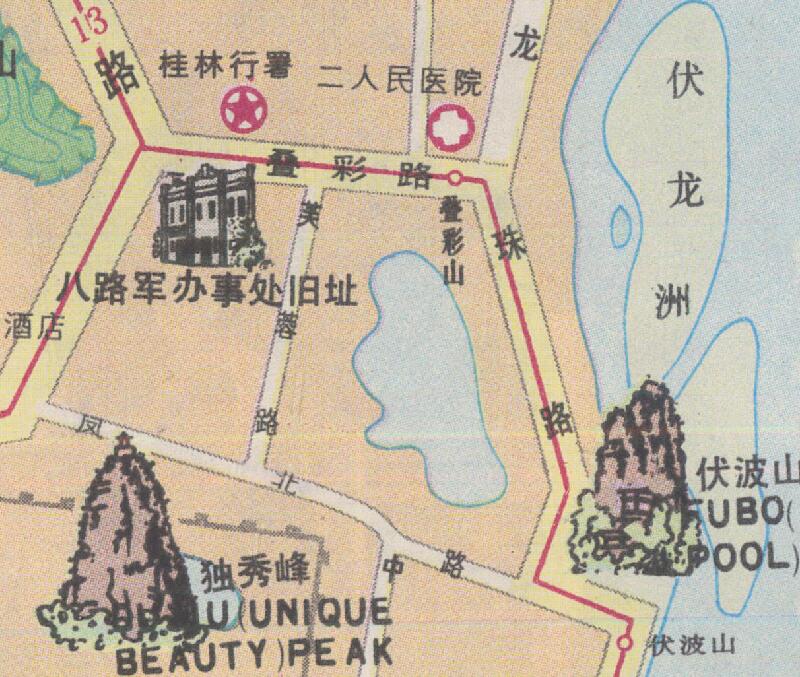
Steven Lin has written a PhD thesis entitled “Maoist Sentimentality: Emotional Governance and Political Deliberations under Maoism (1910–1966)” that discusses the emergence of Maoist sentimentality as a distinct element of ideological campaigns in the twentieth century. As member of the Writing History with China, his postdoc project “Tourism Development and Local Transformation: The Case of Guilin in the 1980s” addresses how globalization and China’s Reform and Opening-Up policies at the macro level have shaped the local development of Guilin, a city in the Northeast Guangxi Zhuang Autonomous Region, into an internationally recognized tourist destination. It investigates how China’s broader socio-economic transformation has been articulated at the level of a specific locality, with particular attention to the ways in which the everyday lives of ordinary people have been reshaped. Furthermore, the project seeks to analyze the institutional factors underlying Guilin’s comparatively sluggish economic development in relation to other major tourist cities in China.
- „Feeling Revolutionary: Maoist Emotional Regimes from Yanʼan to the Cultural Revolution,“ AAS‑in‑Asia Conference, June 24, 2023.
- „Sentimentale Zustände und emotionale Reaktionen von Beijing-Kapitalisten während der politischen Schulungssitzungen im Rahmen der sozialistischen Erziehungskampagne, 1964–1965,“ XXXV. Jahrestagung der DVCS, 15. November 2024.
- “Lost in Transition: Utopian Vision and Ambivalent Sentimentality Among Capitalists Under the Maoist Regime,” Sentimental Futures Conference, April 24, 2026, Deutsches Literaturarchiv Marbach.
- “Emotional Communities and Transformative Mobilization: Reinterpreting the 1926-27 Hunan Peasant Movement,” The 26th Biennial Conference of the EACS, Ca’Foscari University of Venice, Italy, July 21-5, 2026; as part of the panel: “Feeling Together: Affective Politics in Forging Communities in Modern and Contemporary China” where Steven Lin is the organizer.